HENAN YUMO: Engineered Precision, Uncompromised Performance

Black Silicon Carbide Polishing Stones: The Versatile Workhorse for Surface Finishing
In the world of abrasives and surface finishing, few materials are as versatile and widely used as Black Silicon Carbide. When formed into sharpening and polishing stones, it becomes an indispensable tool for craftsmen, artisans, and industrial workers alike. This article delves into what Black Silicon Carbide is, why it's an excellent choice for polishing stones, and its diverse applications.
10/31/20253 min read
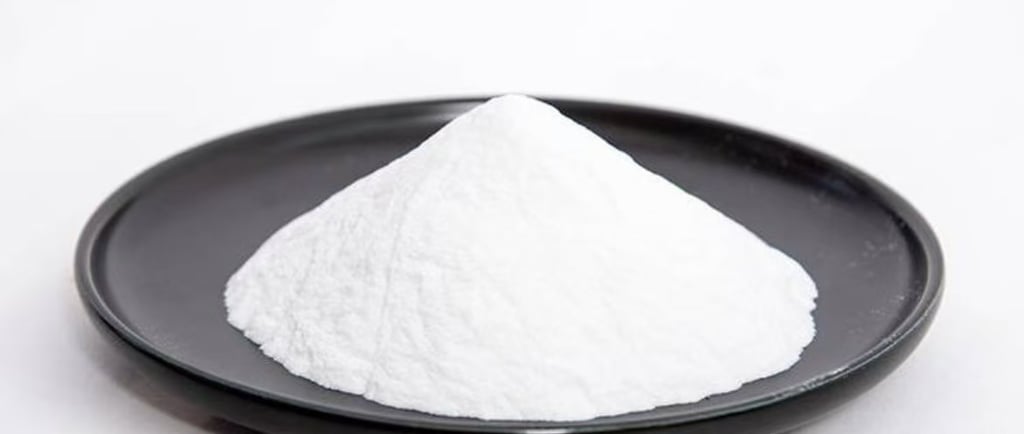
What is Black Silicon Carbide?
Black Silicon Carbide (SiC) is a synthetic abrasive manufactured in an electric resistance furnace from a mixture of quartz sand and petroleum coke. It is one of the hardest materials available, second only to diamonds and a few other super-abrasives like Boron Nitride.
Its key characteristics include:
Extreme Hardness: Rating approximately 9.5 on the Mohs scale, it is significantly harder than aluminum oxide.
Sharp and Brittle Crystals: The grains fracture to form new, sharp edges during use. This self-sharpening property ensures consistent and fast cutting action.
Excellent Thermal Conductivity: It efficiently draws heat away from the work surface, reducing the risk of thermal damage to the material being worked on.
Why Choose a Black SiC Polishing Stone?
Polishing stones, also known as abrasive stones or honing stones, made from Black Silicon Carbide offer a unique set of advantages:
Fast and Aggressive Cutting Action: The sharp, brittle grains make these stones ideal for rapid material removal. They are perfect for leveling surfaces, removing scratches from a previous, coarser grit, and rough polishing.
Versatility on Multiple Materials: This is its greatest strength. Black SiC stones are effective on a wide range of materials, including:
Metals: Iron, brass, aluminum, copper, and soft steel.
Non-Metallics: Stone, marble, glass, leather, and rubber.
Harder Alloys: While not ideal for final finishing on hardened steel, it is excellent for initial shaping and smoothing.
Cost-Effectiveness: Compared to other specialized abrasives like white alumina or diamond stones, Black Silicon Carbide is very affordable, making it a cost-efficient choice for both professional and DIY use.
Available in Various Forms: You can find Black SiC in bench stones, pocket stones, sticks, and blocks of various shapes and sizes, designed for everything from large, flat surfaces to intricate, hard-to-reach areas.
Common Applications in the Workshop and Industry
The applications for Black Silicon Carbide polishing stones are nearly endless. Here are some of the most common uses:
Sharpening Tools: Ideal for sharpening garden tools, chisels, plane blades, and knives where an ultra-fine edge is not critical. It's often the first step in a multi-stage sharpening process.
Deburring Metal Parts: Quickly removing burrs and sharp edges from machined or stamped metal components.
Stone and Lapidary Work: Shaping and pre-polishing stones, gems, and marble slabs. Its aggressive cutting is perfect for working down rough stone.
Automotive and Metalworking: Smoothing welds, cleaning up castings, and preparing surfaces for painting or further finishing.
Glass Working: Grinding and smoothing the edges of cut glass.
Woodworking: Tuning and flattening sole planes and other woodworking tools.
How to Use a Black SiC Polishing Stone Effectively
Lubrication is Key: Always use a lubricant with your stone. Water or honing oil is commonly used.
Water: Flushes away debris (swarf) and prevents the stone from loading up.
Honing Oil: Provides better lubrication and carries away particles, extending the stone's life. It also prevents rust on some stones.
Start Coarse, Finish Fine: Select a grit grade suitable for your task. A coarse (e.g., 120-220 grit) stone is for heavy material removal, a medium (320-400 grit) for smoothing, and a fine (600+ grit) for a preliminary polish.
Maintain a Consistent Angle: When sharpening, maintain a consistent angle between the tool and the stone to create a uniform bevel.
Keep the Stone Clean: Periodically clean the stone's surface with a brush or a specialized cleaning stone to remove embedded metal particles and prevent glazing.
A Note on Limitations
While exceptionally versatile, Black SiC stones are not the ultimate solution for every task. They are generally not recommended for polishing very hard steels (like high-speed steel or tool steel) to a mirror finish, as they can wear down quickly. For these applications, harder abrasives like white aluminum oxide or diamond plates are more efficient and durable.
Conclusion
The Black Silicon Carbide polishing stone is a fundamental and powerful tool in any maker's kit. Its unique combination of aggressive cutting, material versatility, and affordability makes it the go-to choice for a vast range of grinding, shaping, and preliminary polishing tasks. Whether you are a seasoned professional or a weekend hobbyist, understanding and utilizing this workhorse abrasive will undoubtedly elevate the quality and efficiency of your work.
Entering Yumo
Quality abrasive solutions for various industries.
Contact Yumo
E-mail:brian@yumowfa.com
WhatsApp/Wechat:+86 152 2508 9887
© 2025. All rights reserved.