HENAN YUMO: Engineered Precision, Uncompromised Performance

The Ultimate Procurement Guide for White Fused Alumina in 2026
1/15/20267 min read
Introduction to White Fused Alumina
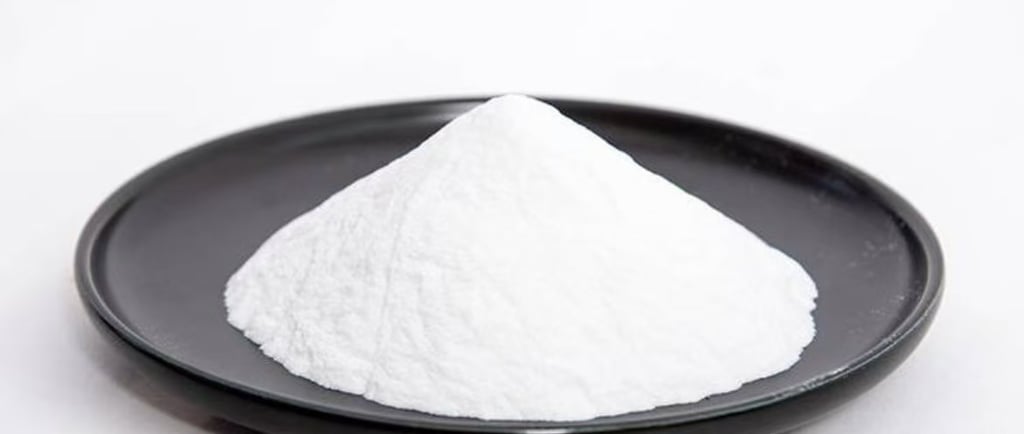
White fused alumina (WFA) is a high-purity, synthetic corundum that is produced by melting calcined alumina in an electric arc furnace. This process results in a dense material with a unique crystalline structure, characterized by its hardness and high-temperature resistance. The primary chemical composition of white fused alumina is Al2O3, which makes it an essential raw material in various applications across multiple industries.
One of the prominent properties of white fused alumina is its exceptional hardness, which ranks it among the hardest materials available. This characteristic is critical for its use in abrasives, as it enables WFA to effectively cut, grind, and polish a variety of surfaces. Notably, white fused alumina retains its performance at elevated temperatures, making it suitable for high-temperature applications such as refractory products and ceramic materials.
In addition to its hardness and thermal stability, white fused alumina also exhibits good chemical resistance, which contributes to its versatility in different environments. It is commonly employed in the manufacturing of grinding wheels, sandpapers, and other abrasive products, where it plays a pivotal role in surface finishing and material removal processes.
Industries such as construction, automotive, and aerospace utilize white fused alumina due to its lightweight properties and ability to enhance the strength of composites. In the refractory sector, WFA is integral for producing bricks, castables, and other materials capable of withstanding extreme temperatures. Moreover, the growing demand for advanced materials in 2026 points towards an increased relevance of white fused alumina in sectors requiring high-performance solutions.
Market Trends and Demand Forecast for 2026
The market for white fused alumina is experiencing significant changes driven by various trends shaping its supply and demand landscape. As we look towards 2026, several factors will influence the trajectory of this fundamental industrial material.
One of the primary trends affecting the white fused alumina market is the increasing demand from the abrasives industry. The growth of construction and automotive sectors has spurred higher usage of abrasives for cutting, grinding, and finishing processes. White fused alumina, known for its high purity and hardness, caters to these requirements effectively. Consequently, a notable rise in applications within these industries is forecasted to continue, contributing positively to market demand.
Further, emerging applications in the production of ceramics and refractories present new opportunities for white fused alumina. The advancement of technology and materials science has led to innovative uses, such as in the manufacturing of advanced ceramics used in electronics and structural applications. This diversification of applications enhances the market’s resilience against economic fluctuations.
Consumer preferences are also evolving, with a significant shift towards sustainable and environmentally friendly products. Industries are increasingly opting for high-performance materials that align with sustainability goals. Consequently, manufacturers are expected to adapt their production processes to meet these demands while ensuring compliance with environmental regulations, further boosting the appeal of white fused alumina.
Lastly, with globalization facilitating easier access to international markets, the competitive landscape for white fused alumina is expected to intensify. As more players enter the market, innovations, price adjustments, and enhanced distribution channels will leverage the demand for this material. In this context, understanding market dynamics is critical for stakeholders aiming to seize opportunities in the evolving procurement landscape for 2026.
Key Suppliers and Manufacturers
The global market for white fused alumina (WFA) is characterized by the presence of several key suppliers and manufacturers that play a crucial role in ensuring consistent product availability and quality. These companies often dominate the competitive landscape through established distribution networks, comprehensive product ranges, and notable industry certifications.
One of the leading suppliers is Almatis GmbH, recognized for its high-quality white fused alumina products utilized in various industrial applications. Almatis holds several certifications, including ISO 9001, which reflects its commitment to maintaining rigorous quality standards. They offer a diverse portfolio catering to industries such as ceramics, refractories, and abrasives.
Another prominent manufacturer is United Abrasives, known for its reliable supply of premium white fused alumina grains. Their products are particularly popular in the abrasive segment, and their adherence to strict safety and quality regulations enhances their credibility among buyers. Notably, United Abrasives has also implemented eco-friendly production processes, appealing to environmentally conscious consumers.
Saint-Gobain, a major player in the materials sector, also manufactures white fused alumina. They provide an extensive range of WFA products equipped with various specifications, ensuring that they meet diverse customer requirements. Saint-Gobain's global presence and investment in research and development further enhance their reliability as a supplier.
When engaging with any supplier, buyers should conduct thorough research into their reputations and reliability factors. This includes reviewing customer testimonials, industry certifications, and compliance with international standards. Understanding a supplier's market position not only aids in determining product quality but also assists in establishing a long-term partnership.
Procurement Strategies for White Fused Alumina
Effective procurement strategies are essential for sourcing white fused alumina efficiently in 2026, considering the fluctuating market demands and increasing competition. The first step in developing a robust procurement plan involves thorough market analysis, enabling procurement professionals to identify reliable suppliers who can meet quality standards and provide competitive pricing. Identifying suppliers who specialize in white fused alumina ensures that buyers can leverage industry expertise during negotiations.
Negotiation tactics play a pivotal role in the procurement process. Building a solid negotiation framework involves preparing by understanding the total cost of ownership, including transportation and storage costs apart from the unit price. It is also beneficial to compare multiple offers to achieve the best value. Buyers should engage in open communication with suppliers, fostering an atmosphere of collaboration rather than mere transactional interactions. This relationship-building approach can lead to favorable terms in pricing and delivery schedules, enhancing overall procurement efficiency.
Establishing long-term supplier relationships is another strategic approach to procurement. By developing partnerships with suppliers of white fused alumina, buyers can ensure a more consistent supply chain. Long-term collaborations can yield benefits such as priority access to stock, more favorable contract terms, and opportunities for joint innovation on product enhancements. Additionally, fostering strong supplier relationships often results in better quality assurance, as suppliers are motivated to provide optimal materials to trusted partners.
Implementing best practices for ensuring quality and cost-effectiveness is crucial. Regular assessments of supplier performance and adherence to quality standards can help maintain the integrity of the procurement process. Organizations should invest in robust quality assurance measures, including audits and regular feedback loops with suppliers. Utilizing technology for procurement operations, such as inventory management systems and procurement software, can streamline purchasing processes and enhance data visibility for informed decision-making.
Regulatory and Compliance Considerations
The procurement of white fused alumina (WFA) in 2026 will necessitate a thorough understanding of the key regulatory and compliance issues that are applicable. As this material is extensively used in various applications, such as abrasives and refractory products, adhering to specific industry standards is paramount. The International Organization for Standardization (ISO) plays a crucial role in establishing these standards, which suppliers should meet to ensure product quality and reliability.
Environmental regulations will also heavily influence the procurement process. Suppliers are expected to comply with national and international environmental laws that govern pollution control, waste management, and resource conservation. In particular, the European Union’s REACH (Registration, Evaluation, Authorisation and Restriction of Chemicals) regulation will demand that suppliers of white fused alumina meet strict chemical safety assessments. Non-compliance can result in severe penalties, making it essential for stakeholders to be well-versed in these regulations.
Furthermore, safety certifications are another significant consideration for buyers of white fused alumina. Various certifications, such as ISO 45001 for occupational health and safety, will likely be required in 2026 to ensure that suppliers maintain safe working environments throughout their operations. The adherence to these standards not only protects employees but also enhances the overall reputation of the suppliers within the market.
It is vital for procurement professionals to conduct due diligence when selecting suppliers for white fused alumina, verifying that they adhere to all regulatory requirements and compliance standards. Engaging with suppliers who possess the necessary certifications will not only mitigate risks but also foster a sustainable procurement environment in line with evolving regulations.
Cost Analysis and Budgeting for Procurement
When procuring white fused alumina, a thorough cost analysis is crucial for ensuring a financially sound investment. The price of white fused alumina is influenced by various factors including raw material costs, processing expenses, and market demand. Understanding these elements allows procurement professionals to better anticipate costs and create effective budgetary plans.
One of the key methodologies for evaluating procurement costs is assessing the total cost of ownership (TCO). TCO encompasses not only the initial purchase price of white fused alumina but also the long-term expenses associated with its use. These may include transportation costs, storage fees, and the expenses related to processing and application in various industries. By evaluating TCO, organizations can make informed decisions that take into account both immediate and future financial implications.
Furthermore, planning for price fluctuations is essential in budgeting for the procurement of white fused alumina. The market can be volatile due to changes in supply chains, economic conditions, or shifts in production capacities. Therefore, establishing a flexible budgeting approach that accounts for potential price increases or decreases is advisable. This may involve setting aside a contingency fund specifically for procurement fluctuations or negotiating long-term contracts to secure stable prices.
To effectively budget for white fused alumina procurement, organizations should also consider collaborating with suppliers to gain insights into market trends and potential price changes. Building strong relationships with suppliers can lead to more favorable pricing negotiations, discounts for bulk purchases, and early warnings of impending market shifts. This cooperative strategy can significantly enhance the overall procurement process.
Future Outlook and Sustainability Practices
The procurement landscape for white fused alumina is poised to undergo significant transformations in the coming years, primarily driven by an increasing focus on sustainability. As environmental concerns gain prominence globally, companies engaged in the production and procurement of white fused alumina must adapt to new expectations. This adaptation involves implementing sustainable practices that minimize the ecological footprint associated with the extraction and processing of raw materials.
Innovations in production processes are likely to play a critical role in enhancing sustainability within the white fused alumina sector. Technologies that focus on energy efficiency and waste reduction are being researched and gradually adopted. Utilizing advanced techniques such as electric arc furnace technology can result in lower emissions and reduced energy consumption, aligning with global initiatives aimed at decreasing greenhouse gas emissions.
Furthermore, the circular economy is set to influence procurement practices significantly. Companies are encouraged to embrace recycling initiatives that not only utilize waste materials but also foster a more sustainable approach. By developing recycling programs for white fused alumina, businesses can minimize reliance on virgin resources and contribute positively to environmental conservation.
The demand for ethical sourcing also underscores the importance of transparency in supply chains. Companies that prioritize ethical procurement will likely be favored by stakeholders and consumers alike. As a strategic response, businesses should engage with suppliers that uphold ethical practices, ensuring compliance with environmental standards and enhancing brand image.
In conclusion, the future of white fused alumina procurement will hinge on the balance between meeting industry demands and committing to sustainability. Companies that proactively integrate sustainable practices into their operations are likely to thrive in the evolving market landscape, ensuring they not only meet customer expectations but also contribute positively to environmental stewardship.
Entering Yumo
Quality abrasive solutions for various industries.
Contact Yumo
E-mail:brian@yumowfa.com
WhatsApp/Wechat:+86 152 2508 9887
© 2025. All rights reserved.