HENAN YUMO: Engineered Precision, Uncompromised Performance

Understanding the Differences Between White Fused Alumina and Brown Fused Alumina
1/15/20262 min read
Introduction to Fused Alumina
Fused alumina is a key material in the abrasives industry, known for its exceptional hardness and versatile applications. Among the most prominent types are white fused alumina and brown fused alumina. Both materials serve unique purposes, but they possess distinct characteristics that cater to different manufacturing needs. In this article, we will delve into the differences, applications, and benefits of each type, assisting industry professionals in making informed choices.
White Fused Alumina: Characteristics and Applications
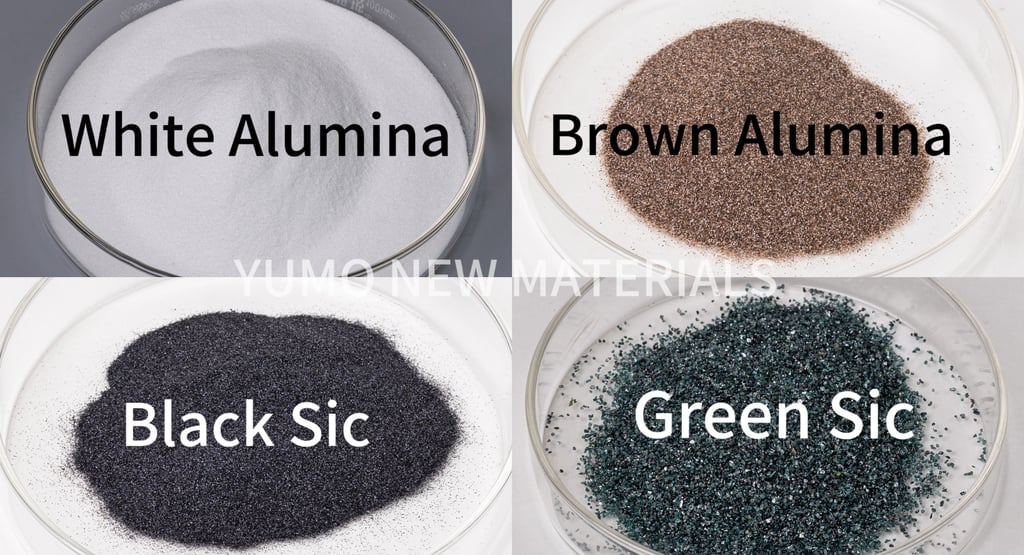
White fused alumina is produced by melting high-purity alumina in an electric arc furnace. This process results in a material that is exceptionally pure, leading to a white color with high crystalline structure. One of the primary advantages of white fused alumina is its lower iron content, which makes it suitable for use in applications that require high purity standards, such as in the production of ceramic abrasives and as a refractory material.
Moreover, its hardness and sharpness make it particularly effective in grinding and finishing applications. Industries that benefit from white fused alumina include aerospace, automotive, and metal fabrication, where quality and precision are paramount. Its excellent hardness also ensures longevity and durability in abrasive applications, further reinforcing its value in these sectors.
Brown Fused Alumina: Characteristics and Applications
In contrast, brown fused alumina is produced from bauxite and is typically more economical than its white counterpart. The production process involves melting bauxite in an electric arc furnace, which results in a tougher and more aggressive abrasive. Brown fused alumina contains a higher iron content, giving it a brownish hue. This material is particularly valued for its effectiveness in the manufacturing of heavy-duty grinding wheels, coated abrasives, and blasting applications.
Its toughness and resilience make brown fused alumina ideal for heavier duty tasks, especially in metalworking and construction sectors where robustness is critical. Additionally, the competitive pricing of brown fused alumina allows industries to optimize costs without compromising on quality, making it a popular choice among manufacturers.
Choosing the Right Type of Fused Alumina
When deciding between white fused alumina and brown fused alumina, it's essential to consider the specific requirements of the intended application. For high-precision work requiring less impurity, white fused alumina is often the preferred option. Meanwhile, for tougher applications where longevity and cost-effectiveness are crucial, brown fused alumina may be the better choice.
In summary, both types of fused alumina have their unique advantages and applications. Understanding these differences equips manufacturers and industry professionals with the necessary knowledge to choose the right abrasive materials for their specific needs, ultimately enhancing productivity and quality in their operations.
Entering Yumo
Quality abrasive solutions for various industries.
Contact Yumo
E-mail:brian@yumowfa.com
WhatsApp/Wechat:+86 152 2508 9887
© 2025. All rights reserved.