HENAN YUMO: Engineered Precision, Uncompromised Performance

Polishing Process Optimization: White Fused Alumina Guide
Master polishing process optimization with White Fused Alumina micro powder. Learn to manage slurries and avoid contamination for a mirror-like finish. At Yumo Abrasive, we’ve observed that many manufacturers struggle with inconsistent results not because of the material quality, but due to subtle process inefficiencies. Here is how you can get the most out of your White Fused Alumina (WFA) micro powder. At Yumo Abrasive, we help our clients navigate these technical nuances to optimize their production costs and surface quality.
4/28/20262 min read
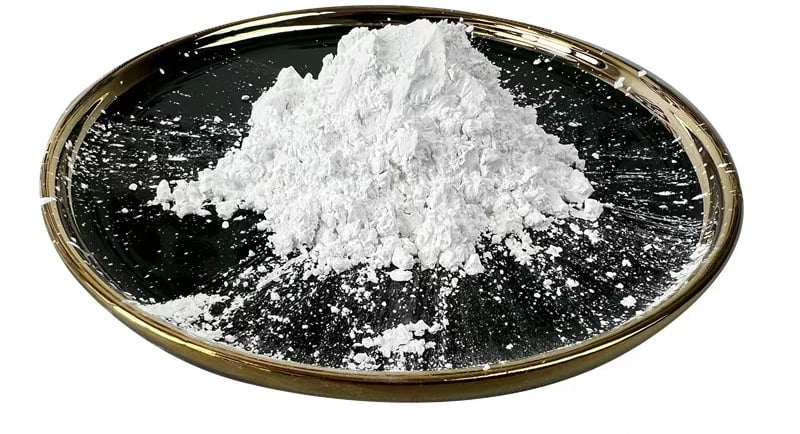
In high-precision surface finishing, the abrasive powder you choose is only half of the equation. The way you handle, mix, and apply that powder determines whether you achieve a mirror-like finish or end up with costly rework.
At Yumo Abrasive, we’ve observed that many manufacturers struggle with inconsistent results not because of the material quality, but due to subtle process inefficiencies. Here is how you can get the most out of your White Fused Alumina (WFA) micro powder.
1. The Art of Slurry Consistency
When using WFA micro powder in a lapping or polishing slurry, the suspension is critical. Because WFA is high-density, it tends to settle at the bottom of tanks.
The Fix: Use a continuous agitation system to ensure the grit remains evenly distributed. If the concentration of powder fluctuates, your cut rate will become unpredictable, leading to uneven surface thickness across your batch.
2. Preventing Cross-Contamination
White Fused Alumina is prized for its high purity. However, this advantage is lost if your workspace is not strictly managed. A single grain of a coarser grit or a particle of dust can cause deep scratches on a workpiece that has already reached a fine finish.
The Fix: Implement a dedicated "clean zone" for final polishing stages. Ensure that all mixing tools, tanks, and polishing pads are thoroughly cleaned when switching between different grit sizes of micro powder.
3. Monitoring "Grit Breakdown"
One of the best features of WFA is its friability—the way it breaks down to reveal new sharp edges. However, if you reuse the same slurry for too long, the particles eventually become too small to be effective, significantly slowing down your production cycle.
The Fix: Establish a regular replacement schedule for your polishing slurries based on "contact hours" rather than visual inspection. This maintains a high removal rate and reduces the overall machine time per part.
4. Precision Temperature Management
While White Fused Alumina is famous for its "cool cutting" properties, friction still generates heat. In precision optics or semiconductor wafer thinning, even a slight temperature rise can cause thermal expansion of the workpiece, leading to geometry errors.
The Fix: Ensure your cooling lubricants are compatible with high-purity alumina. Proper fluid flow not only regulates temperature but also helps wash away the "swarf" (removed material), preventing the abrasive from becoming clogged and losing its bite.
Why Quality Control Matters at the Source
Optimizing your process is easier when you start with a stable product. At Yumo Abrasive, our White Fused Alumina Micro Powder undergoes rigorous particle size analysis to ensure there are no "outlier" large grains that could jeopardize your polishing cycle. By combining our premium powder with these process best practices, you can achieve faster cycle times and a flawless surface every time.
Entering Yumo
Quality abrasive solutions for various industries.
Contact Yumo
E-mail:brian@yumowfa.com
WhatsApp/Wechat:+86 152 2508 9887
© 2025. All rights reserved.