HENAN YUMO: Engineered Precision, Uncompromised Performance

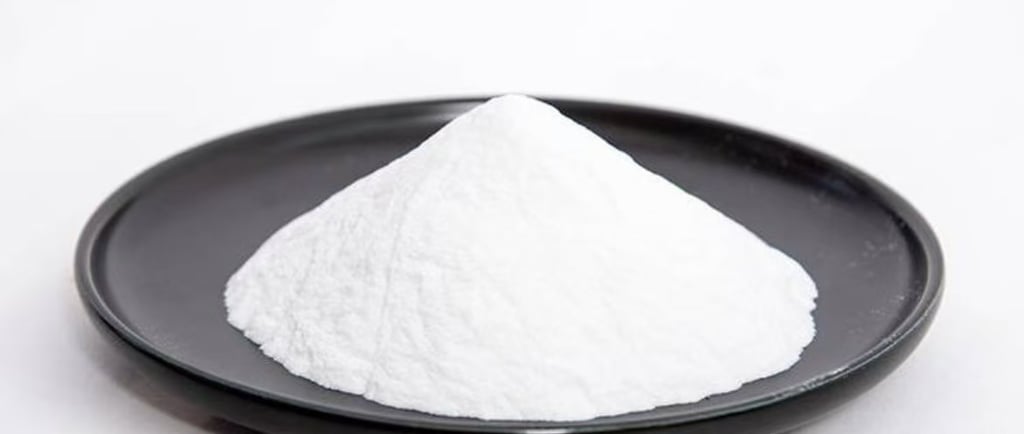
White Fused Alumina: The Ultimate Guide to Applications, Benefits, and Sourcing Strategies Unlocking Superior Performance in Industrial Applications
In today's competitive industrial landscape, manufacturers constantly seek materials that deliver exceptional performance while maintaining cost-effectiveness. White Fused Alumina (WFA) has emerged as a cornerstone material across numerous industries, from metalworking to advanced ceramics. This comprehensive guide explores why this remarkable abrasive continues to be the preferred choice for engineers and procurement specialists worldwide.
11/10/20253 min read
Unlocking Superior Performance in Industrial Applications
In today's competitive industrial landscape, manufacturers constantly seek materials that deliver exceptional performance while maintaining cost-effectiveness. White Fused Alumina (WFA) has emerged as a cornerstone material across numerous industries, from metalworking to advanced ceramics. This comprehensive guide explores why this remarkable abrasive continues to be the preferred choice for engineers and procurement specialists worldwide.
Understanding the Manufacturing Excellence Behind WFA
The superior quality of White Fused Alumina begins with its manufacturing process. High-purity alumina raw materials undergo fusion in electric arc furnaces at temperatures exceeding 2000°C, followed by careful crushing, milling, and precision classification. This rigorous production method ensures consistent crystal structure and reliable mechanical properties that set industry standards.
What separates premium WFA from ordinary abrasives lies in the details: the controlled cooling process that optimizes crystal formation, the multiple purification stages that remove metallic impurities, and the advanced classification technology that guarantees precise particle size distribution. These manufacturing nuances directly translate to better performance in your applications.
Strategic Applications Across Industries
Metal Processing and Manufacturing
WFA's exceptional hardness makes it ideal for grinding hardened steels, alloy steels, and stainless steel. Its thermal stability prevents workpiece burning during heavy grinding operations, while its self-sharpening characteristics maintain consistent cutting performance. Manufacturers report up to 30% longer wheel life compared to conventional abrasives.
Surface Treatment Excellence
From deburring to precision polishing, WFA delivers unmatched results. The material's blocky grain shape and sharp edges provide fast cutting action, while its purity ensures no ferrous contamination on sensitive metals. Automotive manufacturers particularly value these characteristics for maintaining surface integrity on critical components.
Refractory and Ceramic Applications
In refractory formulations, WFA's high melting point and thermal shock resistance create more durable linings for kilns and furnaces. Ceramic manufacturers leverage its purity to enhance structural integrity in technical ceramics, where even minor impurities can compromise performance.
Technical Advantages That Drive Value
The fundamental properties of White Fused Alumina create tangible benefits throughout the manufacturing process. Its high purity (typically 99.5% Al₂O₃) ensures consistent chemical behavior and eliminates contamination risks. The material's hardness (9.0 Mohs) provides excellent wear resistance, while its friability enables continuous sharp edge exposure during use.
Thermal stability represents another crucial advantage. WFA maintains its structural integrity at elevated temperatures, making it suitable for both dry and wet grinding applications. This thermal resistance, combined with chemical inertness, allows for versatile application across different material processing requirements.
Implementing WFA in Your Production Process
Successful integration of White Fused Alumina requires understanding its optimal application parameters. For grinding operations, consider grain size distribution matching your specific stock removal and surface finish requirements. In abrasive blasting applications, particle morphology affects impact energy and surface profile development.
Modern application techniques include:
Precision grinding with optimized wheel formulations
Advanced abrasive blasting for surface preparation
Specialized polishing compounds for final finishing
Reinforcement in composite materials
Quality Assurance and Performance Verification
Leading manufacturers implement comprehensive quality control measures throughout the production process. Key verification points include chemical composition analysis, particle size distribution testing, magnetic content measurement, and density verification. These rigorous checks ensure every shipment meets specified technical parameters.
When evaluating suppliers, consider their testing capabilities and quality certifications. Reputable manufacturers provide detailed technical data sheets and material safety information, enabling informed decision-making and risk management in your sourcing process.
Global Sourcing Strategies and Supply Chain Considerations
The global WFA market offers diverse sourcing options, each with distinct advantages. Chinese manufacturers typically provide competitive pricing and scalable production capacity, while maintaining increasingly sophisticated quality standards. European and North American suppliers offer proximity advantages for local markets.
When developing your sourcing strategy, consider:
Supplier technical support capabilities
Production capacity and lead time reliability
Logistics infrastructure and delivery performance
Quality consistency across production batches
Environmental compliance and sustainability practices
Cost-Benefit Analysis and ROI Considerations
While initial purchase price remains a consideration, smart procurement professionals evaluate total cost of ownership. Premium White Fused Alumina often delivers superior value through:
Extended tool life and reduced changeover frequency
Improved surface quality and reduced rework rates
Enhanced processing efficiency and throughput
Consistent performance across production batches
Case studies across multiple industries demonstrate that proper abrasive selection typically influences overall processing costs more significantly than the raw material price differential.
Future Trends and Technology Developments
The WFA industry continues to evolve, with several key trends shaping its future:
Nano-structured grains for ultra-precision applications
Surface-modified particles for enhanced bonding
Customized grain distributions for specific applications
Sustainable manufacturing processes and recycling initiatives
These advancements promise to further expand WFA's applications while improving its environmental footprint.
Making Informed Sourcing Decisions
Selecting the right White Fused Alumina supplier requires careful evaluation of multiple factors. Technical capability, production consistency, and reliability often outweigh minor price differences. The ideal partner demonstrates deep application knowledge, robust quality systems, and responsive customer support.
Request samples for thorough testing under your specific operating conditions. Evaluate not just the product itself, but the supplier's ability to provide technical guidance and responsive service. The right partnership delivers value far beyond the initial transaction.
Discover how our White Fused Alumina solutions can optimize your manufacturing processes. Contact our technical team for personalized recommendations and comprehensive material specifications tailored to your application requirements.
Entering Yumo
Quality abrasive solutions for various industries.
Contact Yumo
E-mail:brian@yumowfa.com
WhatsApp/Wechat:+86 152 2508 9887
© 2025. All rights reserved.